


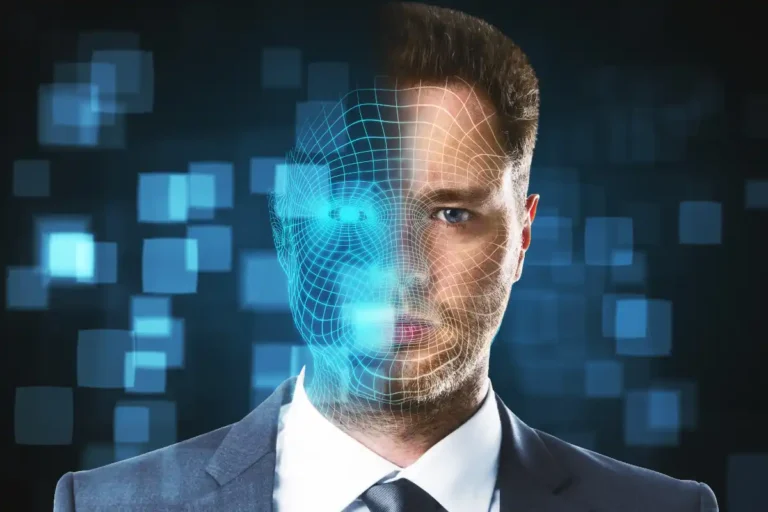
The deepfake offence criminalizes the unlawful dissemination of content generated or altered using artificial intelligence systems, where such content is capable of misleading others as to its authenticity, is disseminated without the consent of the person depicted and causes that person unjust harm.
This is a newly established criminal offence, introduced into the Italian Criminal Code in September 2025.
Legislative Decree No. 160/2026, published on 15 September 2026, concerning the alignment of national legislation with AI Act, has brought AI-related offences within the scope of the corporate liability regime under Legislative Decree No. 231/2001, including the offence of unlawful dissemination of content generated or altered using artificial intelligence systems.
What Is a Deepfake?
The term deepfake is a portmanteau of deep learning and fake. Regulation (EU) 2024/1689 defines it as AI-generated or manipulated image, audio or video content that resembles existing persons, objects, places, entities or events and would falsely appear to a person to be authentic or truthful.
Deepfake Pornography
The term deepfake pornography refers to manipulated images or videos in which photographs or footage depicting recognizable faces are superimposed onto images of other individuals who are naked or engaged in sexual acts.
The criminal offence is also intended to combat the non-consensual dissemination of deepfake pornography, which constitutes an infringement of the right to reputation and an intrusion upon an individual’s intimacy, privacy and right to self-determination.
Deepfakes Used for Political Propaganda or Disinformation
The offence also encompasses the use of deepfakes for political propaganda or disinformation purposes; namely fabricated content designed to digitally manipulate public opinion and influence public consent through the distortion of reality.
The Definition of an Artificial Intelligence System
The definition of an artificial intelligence system is likewise set out in Regulation (EU) 2024/1689, which defines it as a machine-based system designed to operate with varying levels of autonomy, that may exhibit adaptiveness after deployment and that, for explicit or implicit objectives, infers, from the input it receives, how to generate outputs such as predictions, content, recommendations or decisions that can influence physical or virtual environments.
The Prohibited Conduct: Transfer, Publication and Dissemination
The alternative forms of conduct constituting the offence are, in particular, the transfer, publication and dissemination of deepfake content.
These acts occur after the technical process of generating artificial content and consist in making such content available to the public.
Absence of Consent
A further constituent element of the offence is the absence of consent from the individuals depicted.
In seeking to strike a balance between the competing interests at stake, the legislature has sought to safeguard individuals’ right to self-determination and the way in which they are represented in the real world, without, however, unduly restricting the use of artificial intelligence systems.
Misleading Others as to the Authenticity of Deepfake Content
A further requirement must be satisfied for the new offence to be established: the deepfake content must be capable of misleading others as to its authenticity.
However, no causal link is required between the capacity of the deepfake content to mislead and the unjust harm caused.
The Harm
Finally, the conduct is punishable where it causes harm to the victim, which may be pecuniary or non-pecuniary, including, for example, moral harm.
The Legislative Decree No. 231/2001: Corporate Administrative Liability
The Italian legislature has recently brought domestic legislation into line with the AI Act, extending the administrative liability of legal entities to encompass the unlawful use of generative AI and synthetic content, including, inter alia, the offence of creating and disseminating deepfakes.
The organizational, management and control models must be updated, ensuring that corporate governance arrangements also take account of the ways in which content generation or manipulation tools may be used in the interest or to the advantage of the entity.
Prosecution upon Complaint
As regards the conditions for prosecution, the offence is prosecutable upon a complaint lodged by the injured party. However, prosecution may be instituted ex officio where the offence is connected with another offence that is prosecutable ex officio, or where it is committed against a person lacking legal capacity by reason of age or infirmity, or against a public authority on account of the functions performed.
New Interim Protective Measures
Following Legislative Decree No. 160/2026, which aligns national legislation with the AI Act, it is now possible to order the preventive seizure of online content by issuing an order to intermediary service providers, thereby enabling access to the content to be blocked and the relevant online resources to be made inaccessible.
The measure applies to online content hosted on a personal profile and the associated data. It may take the form of an order directed at hosting service providers, online platform providers, search engine providers or information society intermediary service providers, requiring them to remove the content and data or disable access to the profile, while ensuring, where technically feasible, that content unrelated to the unlawful conduct remains accessible.
The law firm Dal Pozzo in Milan provides legal assistance to private individuals, public entities, and businesses, including matters related to to cybercrimes and Administrative liability of entities.